It was a 9-day trip for four people in the summer of 2026. We flew from Zurich to Manchester and spent the first two days exploring the city on foot. Then we rented a car in central Manchester and used it for the rest of the trip. The main focus of the journey was architecture: we visited some of the most interesting buildings and urban developments in Manchester, Coventry, Nottingham, Sheffield, Wakefield and Liverpool, but also explored the historic towns and landscapes of Yorkshire and Northern England. The trip ended with two days in the Lake District National Park and Liverpool.
25.07.2026 – Arrive to Manchester
We flew from Zurich to Manchester and started exploring the city on foot. The first stops were Manchester Central Library, the Peterloo Massacre Memorial by Caruso St. John and the HOME and the Hulme Living Leaf Street Housing by Mecanoo (photo). Continue towards the School of Digital Arts (SODA), and then to Circle Square, where you can see the new hotel and car park. Manchester is a very walkable city centre, and many of the most interesting buildings can be reached on foot. The city also has a very diverse architectural character, ranging from Victorian industrial buildings to ambitious contemporary developments.
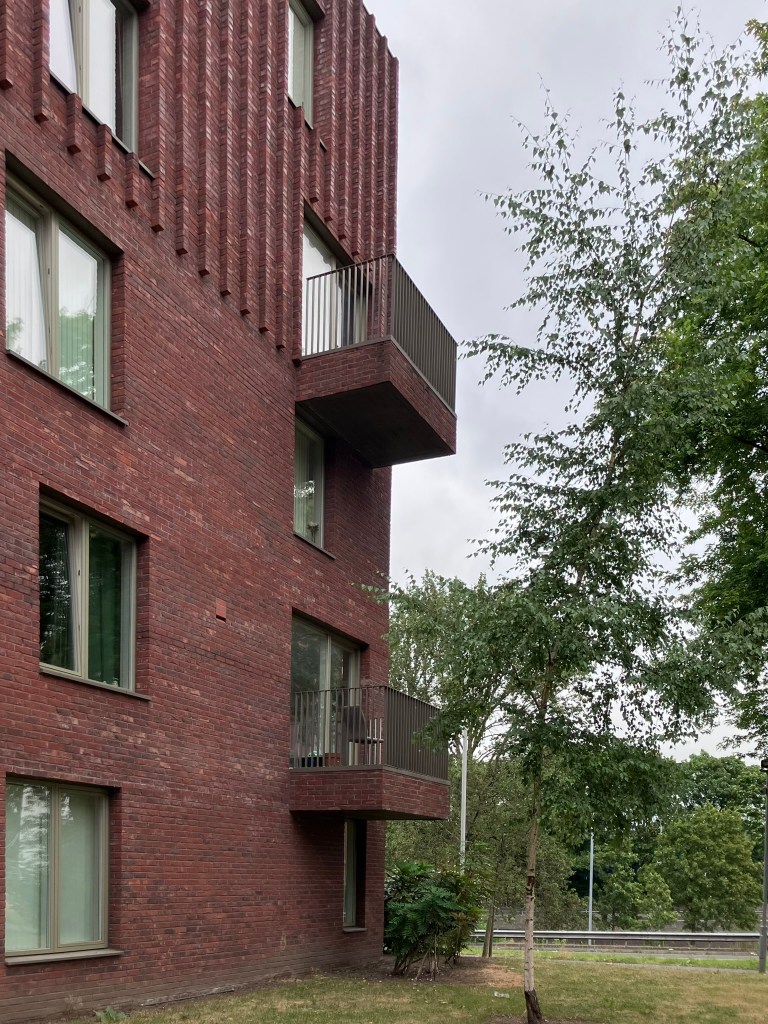
26.07.2026 – Manchester
Continue exploring Manchester on foot. Start at Mackie Mayor, a former market building that has been converted into a lively food hall, and then walk towards the Daily Express Building, one of the city’s most remarkable Art Deco buildings. Continue to Victoria Square, One Silk Street, Murray’s Mills and the Redfern Building and Dantzic House. Murray’s Mills is an impressive former cotton mill complex, although unfortunately it has now been privatized and you cannot enter the inner courtyard. Continue to Chetham’s School of Music and Manchester Cathedral, and then to the Royal Exchange Theatre by Lewitt Bernstein (photo). For me, this was perhaps the most interesting building in Manchester form the 1970’s: the former trading hall was transformed into a theatre – a huge contemporary theatre inserted into the historic structure. After that, visit Barton Arcade and the former Kendal Milne department store, followed by the Science and Industry Museum by Carmody Groarke. In the afternoon, head to the Whitworth Art Gallery, perhaps the best contemporary building in Manchester, and then continue to the Imperial War Museum North and the surrounding docklands. Finish the day at KAMPUS by Mecanoo, a relatively new residential development with a public garden and several restaurants and bars. Tip: if you are planning to visit any museums, check their opening times in advance. English museums are usually open from around 10:00 to 17:00.
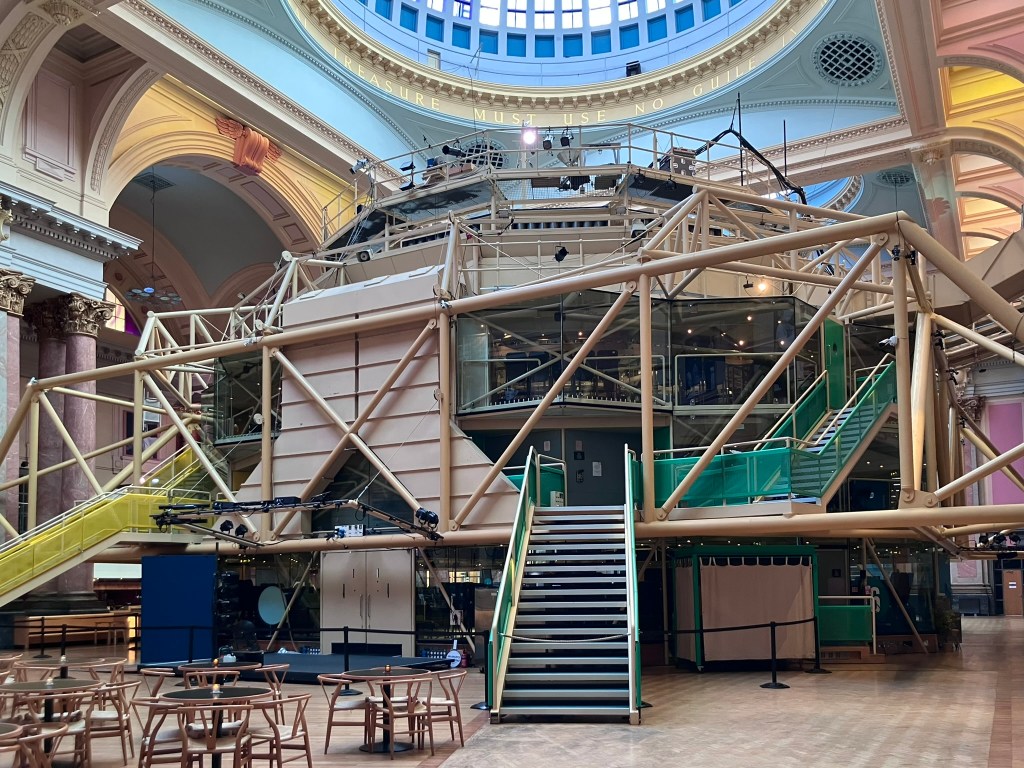
27.07.2026 – Midlands
Rent a car in central Manchester and head south. The first stop is Leicester, where you can visit the famous Engineering Building by James Stirling (photo), one of the most important examples of post-war British architecture. Continue to Coventry, where the main attraction is Basil Spence’s Coventry Cathedral. The cathedral is an important building of post-war British architecture and stands next to the ruins of the medieval cathedral destroyed during the Second World War. (Tip: check the time table of the cathedral, because it is a very busy place and maybe you cannot enter because of an event.) Also visit the former Café Bar by Bayers & Co, the Herbert Art Gallery & Museum Extension by Haworth Tompkins, the Elephant Building by Harry Noble and the Cullen Mural by Gordon Cullen. Continue to Lichfield, where you can take a walk through the historic city centre and spend the night here. (Tip: The Quill & Scholar, A Heartwood Inn is a very good restaurant).
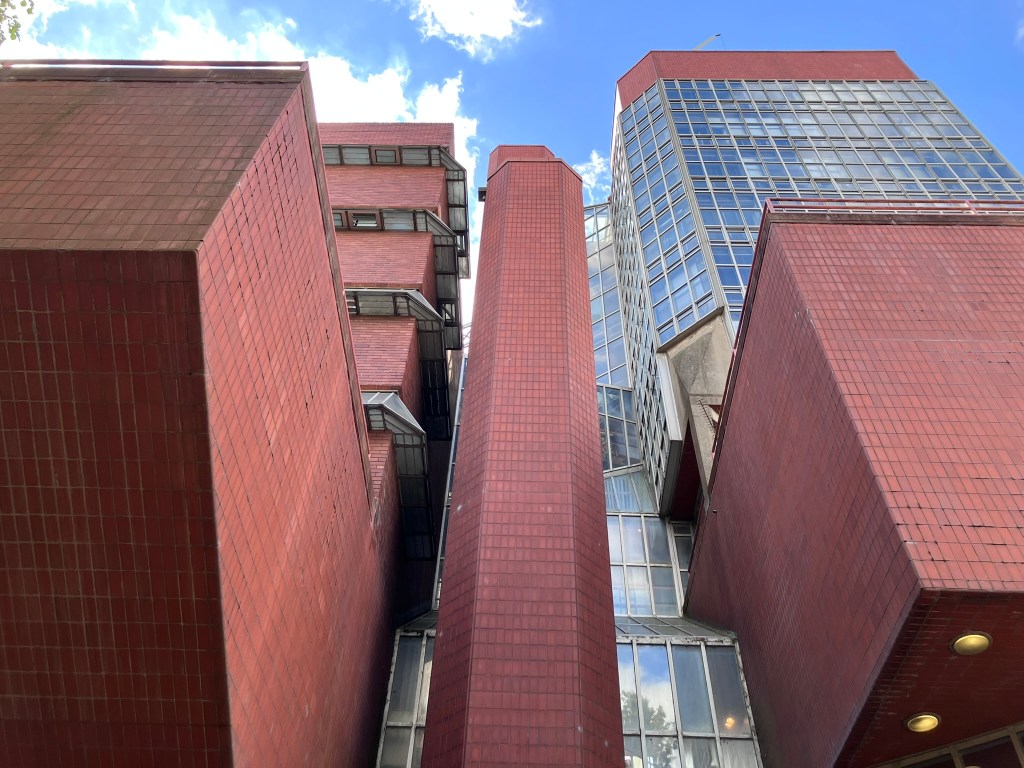
28.07.2026 – Midlands
Start the day at Lichfield Cathedral, which opens at 10:00. Continue to Walsall, where you can visit The New Art Gallery by Caruso St John and the Public House by Sergison Bates. Next stop is Nottingham. The main architectural attraction here is Nottingham Contemporary by Caruso St John (photo). After a short walk through the city centre, continue north to Sheffield. The Park Hill is one of the largest post-war housing developments in Britain. The complex was designed by Jack Lynn and Ivor Smith in the 1960’s and has recently undergone a major refurbishment by Mikhail Riches and Hawkins\Brown. It is worth spending some time walking through the estate to understand how the original structure and the new interventions work together. Spend the night in the centre of Sheffield. (Tip: good beer by The Old Shoe.)
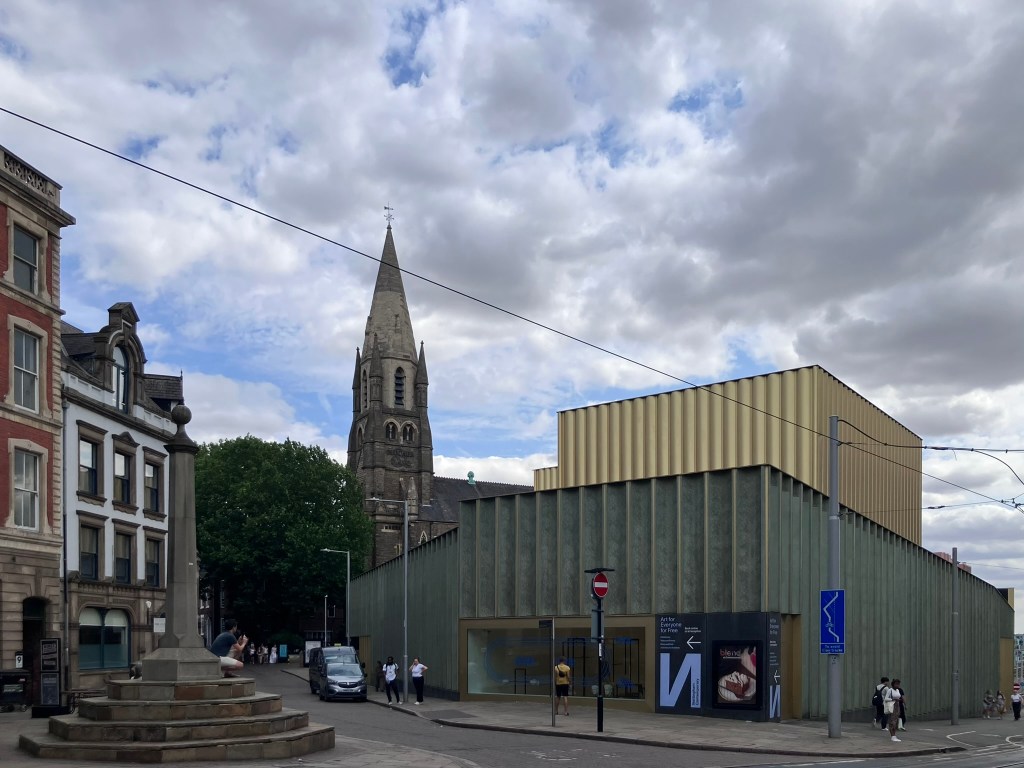
29.07.2026 – Yorkshire
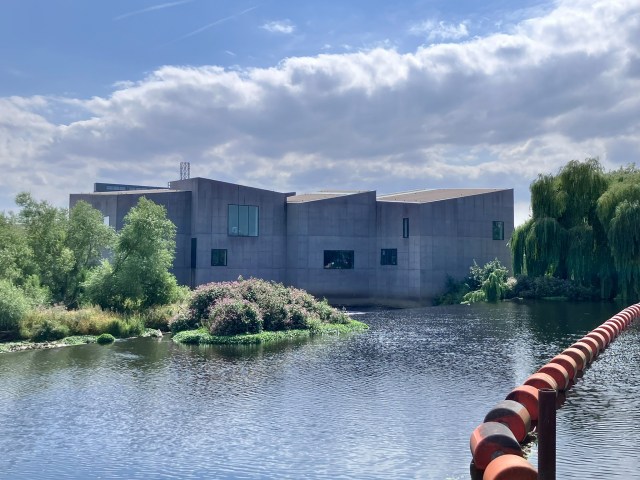
Leave Sheffield in the morning and head towards the Yorkshire Sculpture Park. Plan at least 2–2.5 hours for the visit, as the park is much larger than it may seem at first sight. The combination of landscape, sculpture and historic buildings makes it an interesting place. Continue to Wakefield and visit The Hepworth, the spectacular art gallery designed by David Chipperfield (photo). The building sits directly on the River Calder and is particularly impressive from the opposite riverbank. After that, visit Cooper King Distillery before continuing to York. Spend the afternoon exploring the historic city centre on foot. Among the more interesting contemporary interventions is the extension of the Royal Theatre by Patrick Gwynne. Spend the night in York.
30.07.2026 – Yorkshire
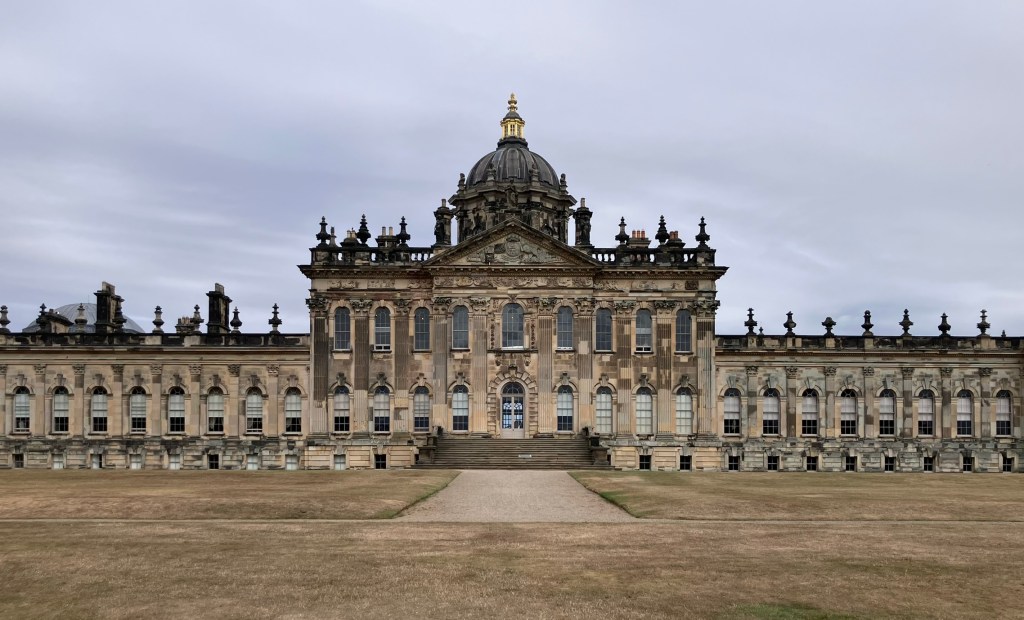
Leave York in the morning and visit Castle Howard (photo), an impressive historic country house. Plan at least 2–2.5 hours for the visit, as the house, gardens and surrounding landscape are extensive. Continue to Rievaulx Abbey, an atmospheric former medieval abbey in Yorkshire. From here, drive through the North York Moors National Park towards the coast. Arrive at Whitby and visit the visitors’ centre at Whitby Abbey by Stanton Williams. After that, continue south along the coast to Robin Hood’s Bay, a small historic fishing village built into a steep valley leading down to the sea. Return to Whitby and spend the night there.
31.07.2026 – North-England
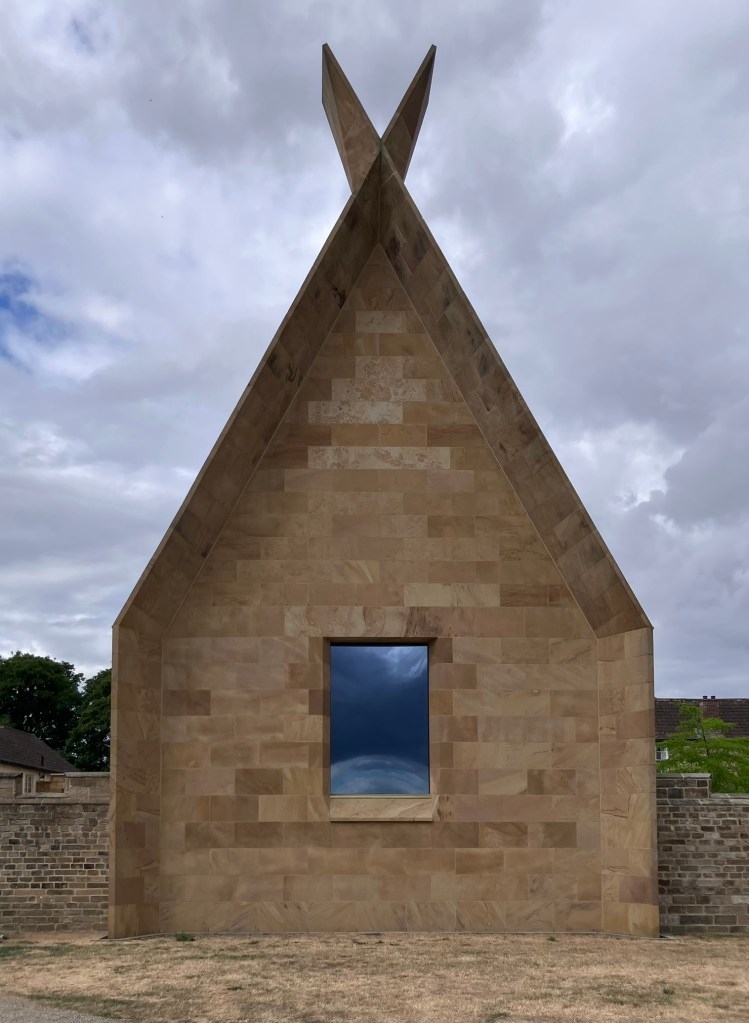
Leave the coast and head north towards County Durham. The first stop is Peterlee, where you can see the Apollo Pavilion by Victor Pasmore, an butalist sculpture in a post-war neighborhood. Continue to Durham and explore the town on foot. Walk along the River Wear and visit Durham Cathedral, one of the most impressive Norman buildings in England. Next stop is Bishop Auckland, where you can visit The Tower and The Faith (photo) by Níall McLaughlin. This contemporary building is part of a larger cultural development around Auckland Castle. (Tip: in Bishop Auckland, visit Fifteas Vintage Tea Room if you have time. It is a very authentic English tea room and a nice place to take a break.) Continue to Barnard Castle and visit the Buttermarket before heading towards the Lake District National Park. On the way into the national park, make a short stop at Castlerigg Stone Circle, a spectacular prehistoric stone circle. Continue to Keswick and spend the night there. (Tip: for dinner or drinks, I recommend Derwent Walker Cocktail Bar and Restaurant.)
01.08.2026 – Lake District National Park
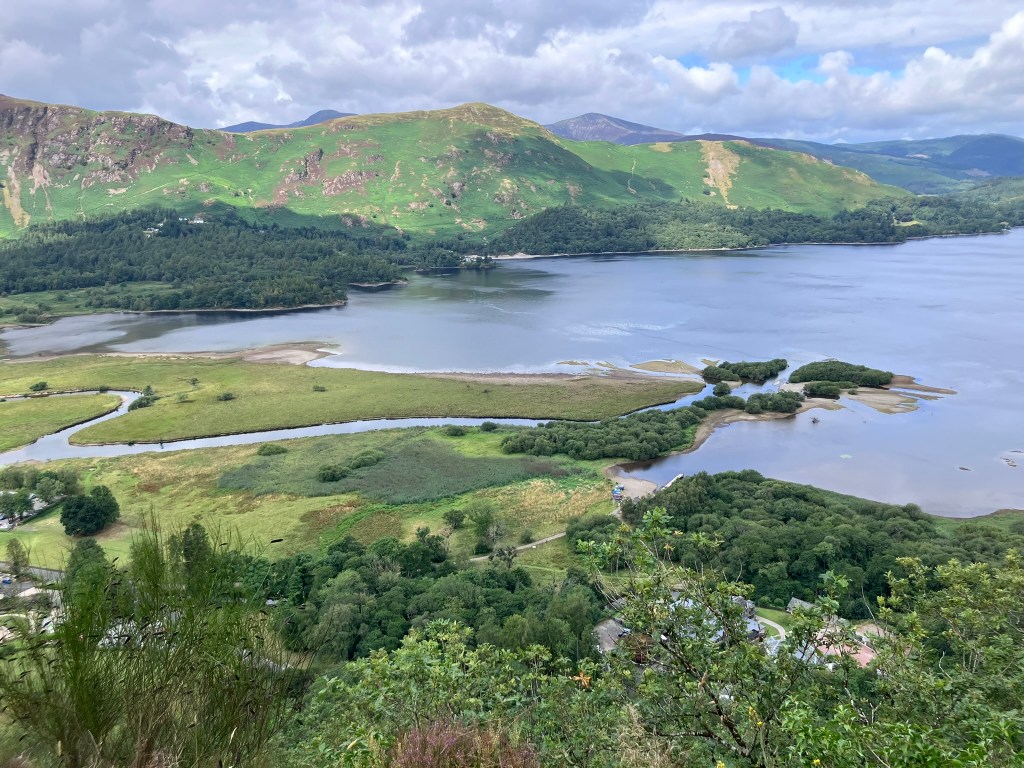
Spend the day exploring the main valleys, lakes and mountain passes of the Lake District. Start with Derwentwater and the famous Surprise View, which offers one of the best views over the lake. Continue through Newlands Valley and over Newlands Pass, with a short walk to Moss Force Waterfall. From there, drive towards Honister Pass and visit the historic slate mine. Continue through Borrowdale Valley and then head north towards Aira Force, a beautiful waterfall. The final highlight of the day is Kirkstone Pass, one of the highest roads in the area, with spectacular views over the surrounding mountains and valleys. In the evening, continue to Liverpool. After arriving, take a short walk through the city centre and spend the night there.
02.08.2026 – Liverpool
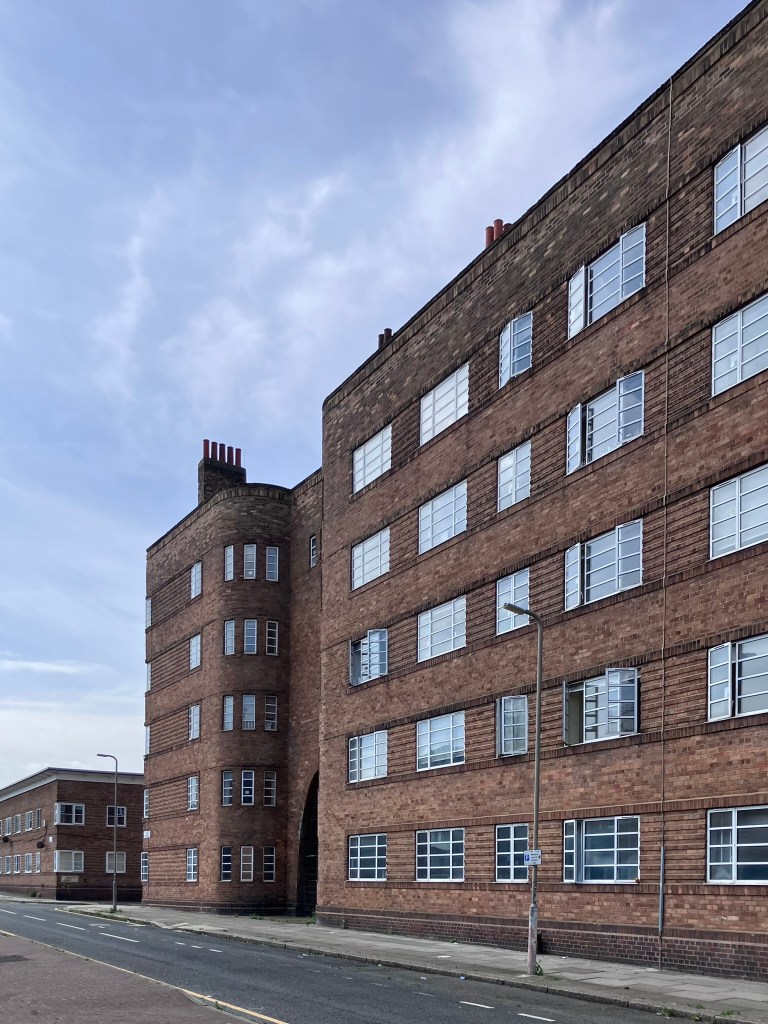
Liverpool is the final stop of the trip. The city has a very rich architectural heritage, from the historic waterfront and Victorian commercial buildings to some interesting contemporary projects. On the photo is the St. Andrew’s social housing project. For the main attractions see the map below.
And here is the map (use the filters!):
