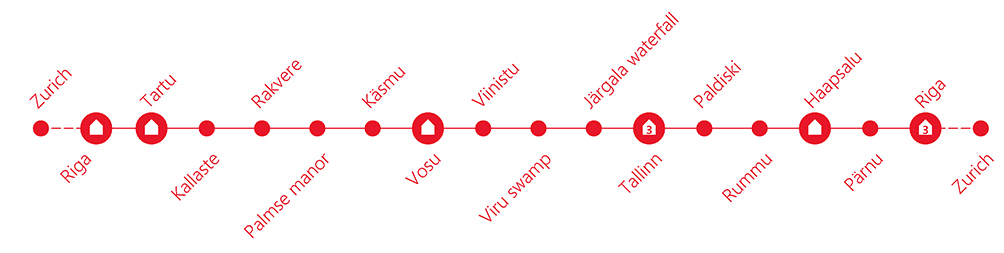
It was a 10-day trip for four people in the summer of 2025. Summer is a good time to travel around the Baltic States, as the weather is generally sunny and there is relatively little rain. In fact, it was quite hot and humid during our stay. We flew to Riga (LV), where we rented a car for eight days. We stayed four nights in Riga, one night in Tartu, one night in Võsu, three nights in Tallinn and one night in Haapsalu. On this trip, we explored two Baltic capitals, Tallinn and Riga, but our main focus was on Estonia’s natural and built environment. We visited some significant works by several of Estonia’s best-known architecture practices, including Salto, Kavakava and KOKO Architects. We also met Ott Alver (MUST Architects), who talked to us about one of his recently completed projects and the current architectural scene in Estonia.
25.07.2025 – Arrive to Riga (LT)
The trip starts at Zurich Airport, from where we fly to Riga and spend the night there.
26.07.2025 – Tartu
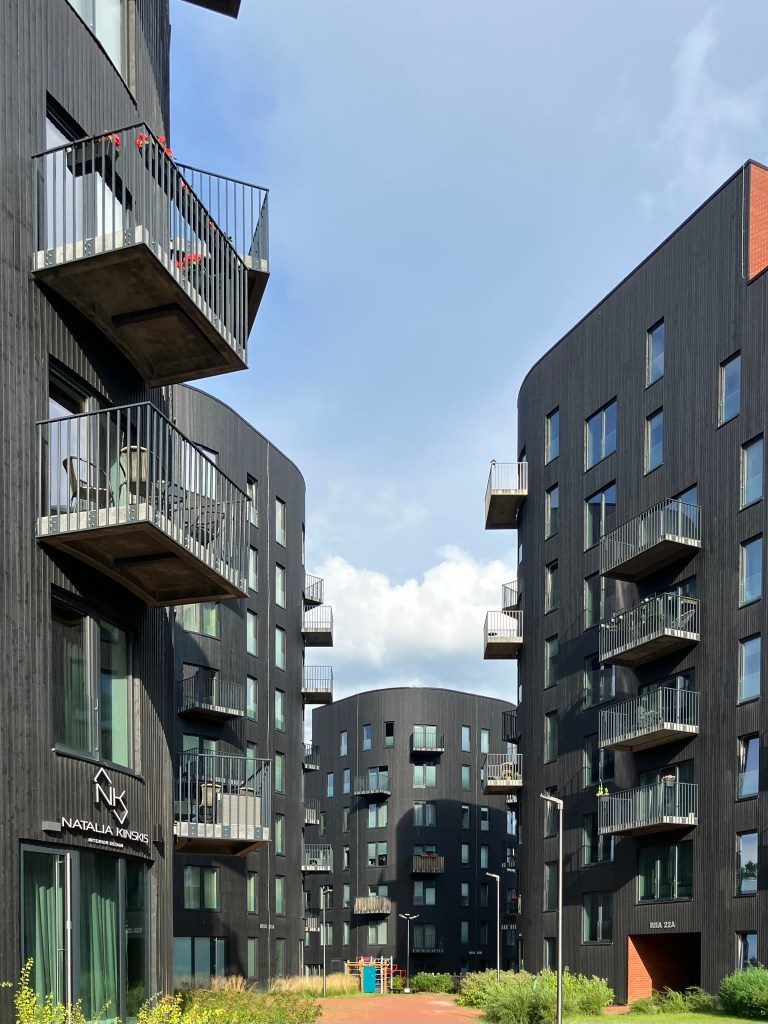
Rent a car at Riga Airport and drive to Estonia. The first destination is Tartu, the second-largest city in Estonia. In summer, many university students are away, but the city is still more lively than the smaller towns in the surrounding area. Tartu has a historic old town and a riverside area with a beach. There are also several interesting architectural attractions here: the AHHAA Science Centre (Künnapu & Padrik Architects), the Estonian National Museum (DGT Architects), the Emajõe Barge Society, the Estonian University of Life Sciences Sports Hall, the Riia Quarter (Salto Architects) (photo) and the Health Care College (Kavakava Architects).
27.07.2025 – Lake Peipus and on the way to the Gulf of Finnland
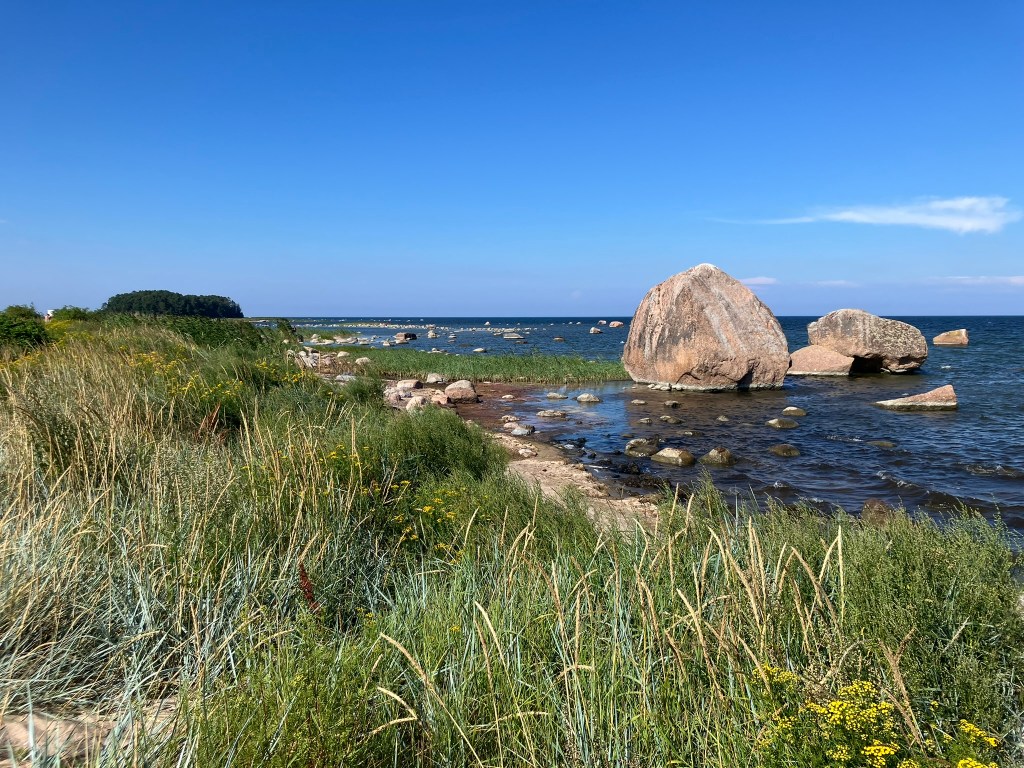
Drive east in the morning and you can reach Lake Peipus, the fourth-largest lake in Europe. Kallaste is one of the most typical villages on the lake and has a Russian-speaking population. The lake forms part of the border between Russia and Estonia. After that, you should visit Rakvere, where you can find one of the largest medieval castles in the country. The stairs leading from the main street to the castle were designed by Kavakava Architects. If it is open, you should also visit the State High School by Salto Architects. Near Rakvere, there is the municipal government building in Sõmeru (Salto Architects). Continue west and you can visit Palmse Manor, with its manor house, greenhouses, old distillery and beautiful garden. In Käsmu, you can see another natural wonder: the sailing stones in the sea (photo). The water is so shallow that you can walk between the stones. Spend the night in Võsu, a very quiet summer resort on the Baltic Sea. (Tip: I can recommend Restaurant Mere 38.)
28.07.2025 – On the way to Tallinn
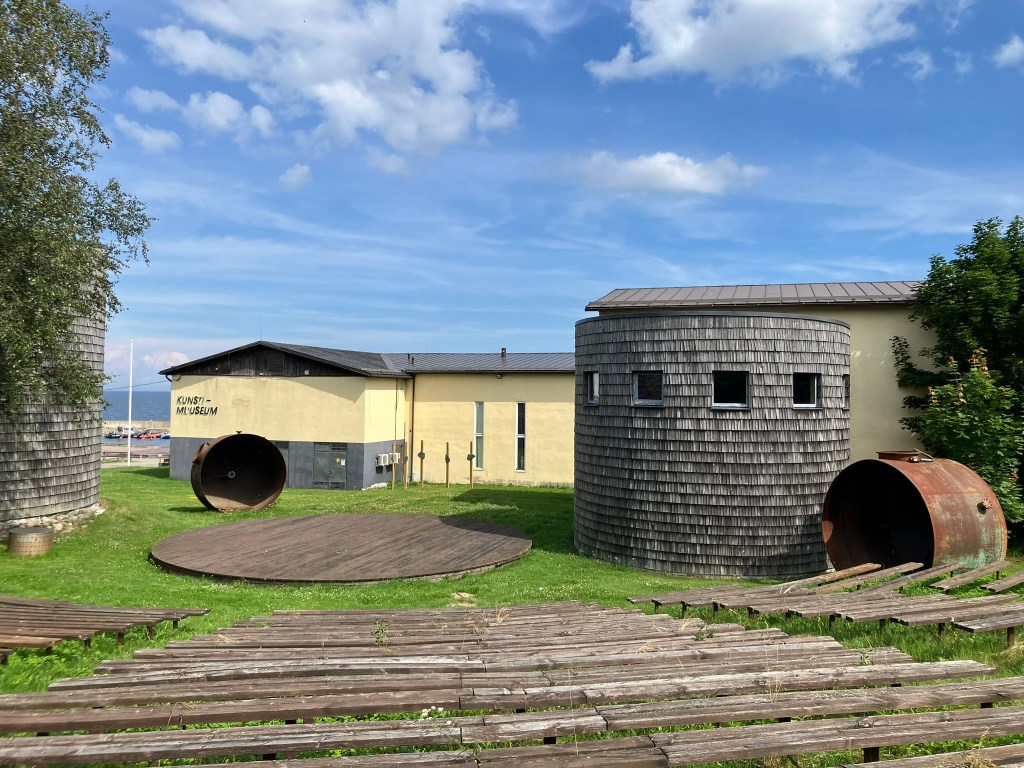
Go to Viinistu and visit the Art Museum (photo). It is housed in a former industrial building with a modern extension, and the exhibition is really interesting. Next, it is time for another natural wonder: Viru Bog, a typical Estonian landscape with plenty of water, greenery and large pine forests. From the lookout tower, you can see the whole area from above. Before reaching the capital, you can stop at Jägala Waterfall, the largest waterfall in Estonia. If you are arriving from the east, it is easy to start your Tallinn city trip at the memorial area: the Maarjamäe Memorial by Allan Murdmaa and the Memorial to the Victims of Communism by JVR Arhitektid. From here, you can already see the city centre of Tallinn. Leave your luggage at your accommodation and take a walk through the old town – the Baltic summer nights are long.
29.07.2025 – Tallinn
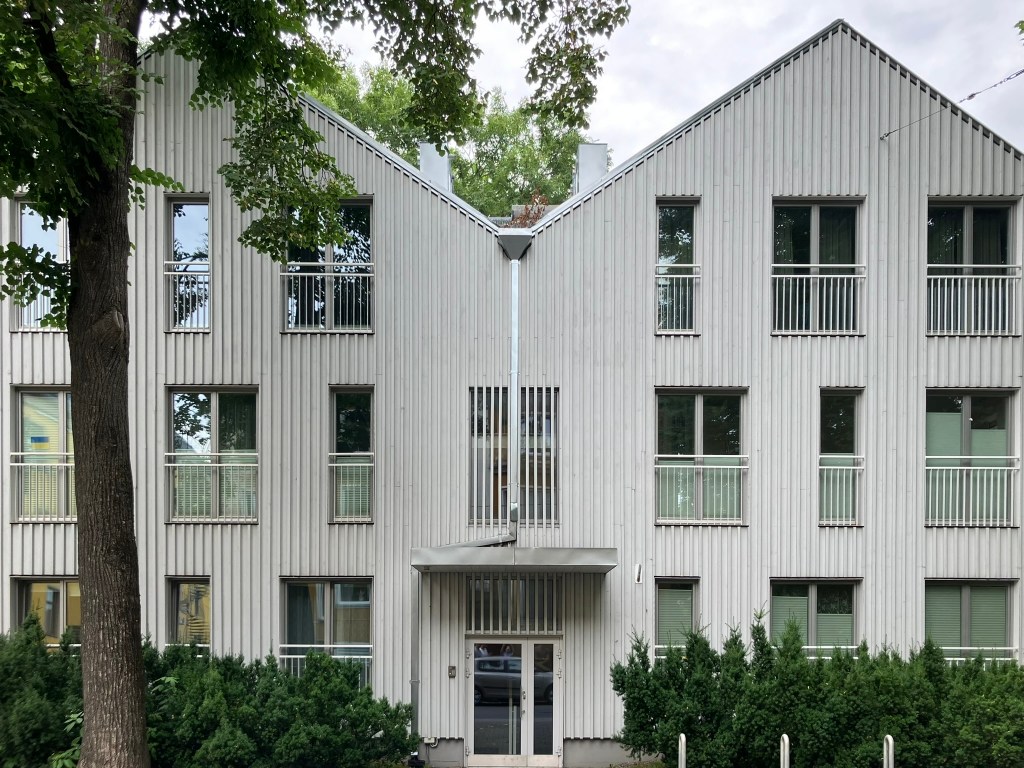
Alternative taxi companies are an easy way to get around Tallinn, so take one and start exploring the many former industrial areas of the city, which have now been transformed into lively districts with offices, restaurants and other places to eat and drink: Telliskivi Creative City with the Fotografiska Museum, the Power Station area, the Noblessner district with the Estonian Maritime Museum and Põhjala Brewery, and the Volta district. Between the former industrial areas lies one of the most liveable residential districts in the city: Kalamaja. Here you can find the Vabriku 33 Apartment Building by KOKO Architects and the Niine Apartment Building by KUU Architects (photo). The Baltic Railway Station Market is also located in this district, where you can find several good and affordable restaurants.
30.07.2025 – Tallinn
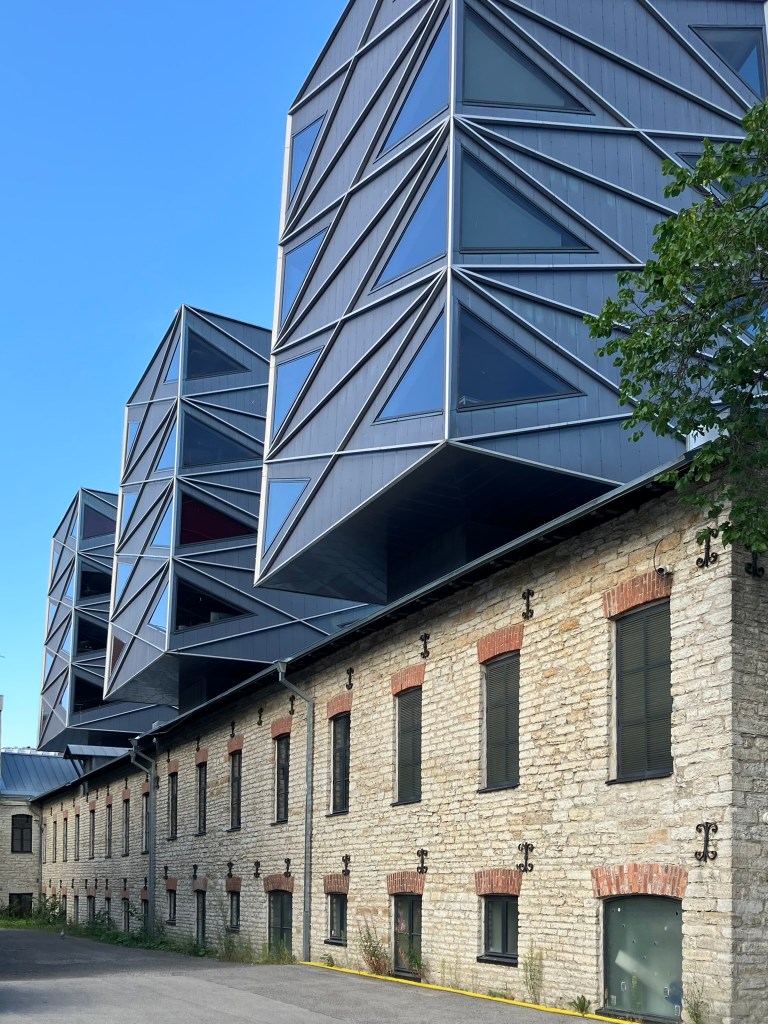
Start the day at Pelgulinna High School (MUST Architects), a building made of wood. Continue to the Kopli district, another former industrial area. Then take a taxi to the other side of the city: visit the Art Hall Pavilion (Salto Architects) and the Estonian Art Museum – KUMU (Pekka Vapaavuori), and walk through the Raua and Torupilli districts. Do not miss Tallinn’s business district with its high-rise buildings. At the end of the day, visit the famous former industrial district of Rotermann (photo). For the city trip, use my map below.
31.07.2025 – To the West and Haapsalu
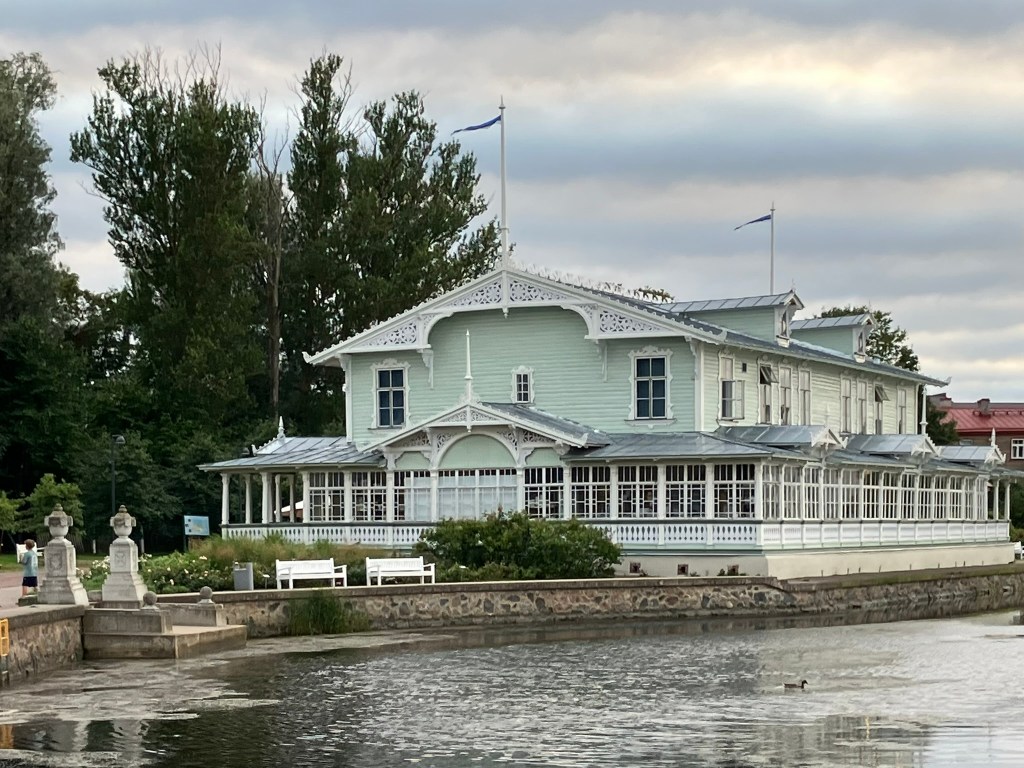
Leave Tallinn and drive west. The first stop is the Paldiski cliffs. During the Soviet era, this was a strictly controlled military site. Personally, I think the natural beauty of the site is somewhat overrated, so only include it in your itinerary if you have enough time. The next stop is Rummu, where you can visit the former Soviet prison. There is also a very clear-water lake and a large limestone hill. There is a beach near the lake, so you can bring your swimsuit, too. Continue to Haapsalu, where you can take a walk through the old town and along the seaside promenade (photo). I recommend spending the afternoon in a wellness hotel there.
01.08.2025 – Pärnu and arrive to Riga (LT)
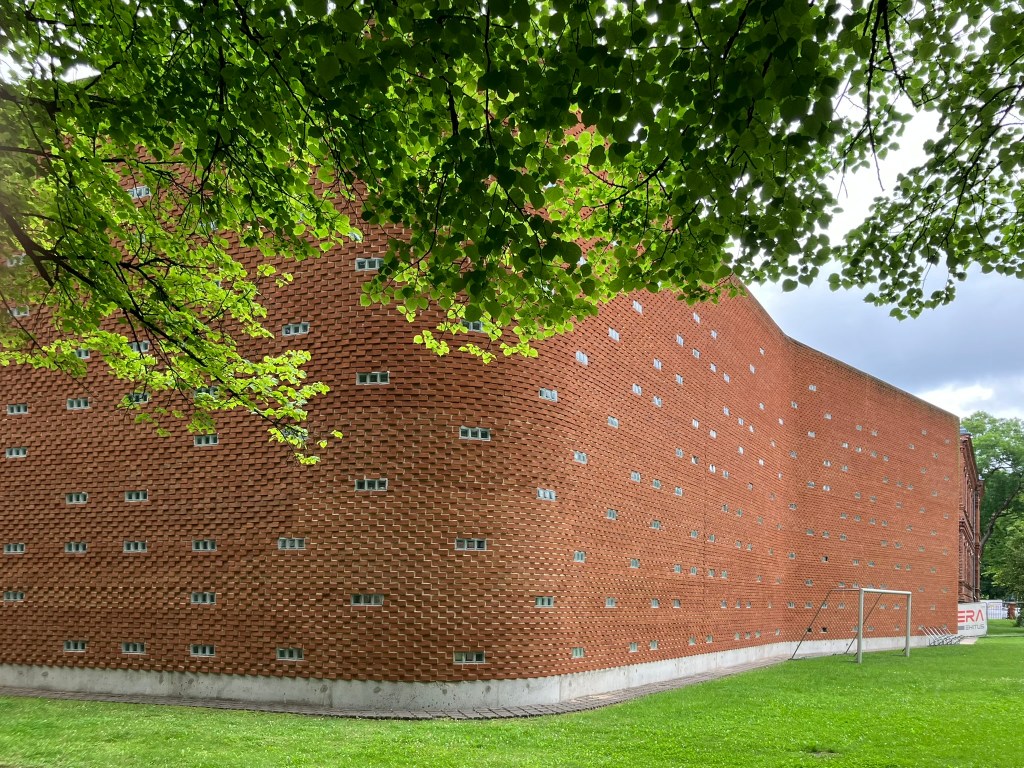
On this day, head south and you will reach Pärnu, on the Gulf of Riga. It is one of the largest cities in Estonia, but Pärnu is still a very calm place. Visit the Environmental Education Centre (Salto Architects), the new Central Library (3+1 Architects) and the City Centre Sports Hall (Kavakava Architects) (photo). Honestly, I think the last one was the best contemporary building I saw in Estonia. After a walk through the city centre, you can also head to the coast and walk along the coastal meadow hiking trail. Continue south and, after a few hours, you will reach Riga, the capital of Latvia. You will still have time for a walk through the old town in the evening. For example, climb to the top of the bell tower of St. Peter’s Church, from where you can see the whole city. After Tallinn and the rest of Estonia, Riga feels busier and more urban. At first sight, you can already feel that Riga is probably the most important city in the Baltic States.
02.08.2025 – Riga (LT)
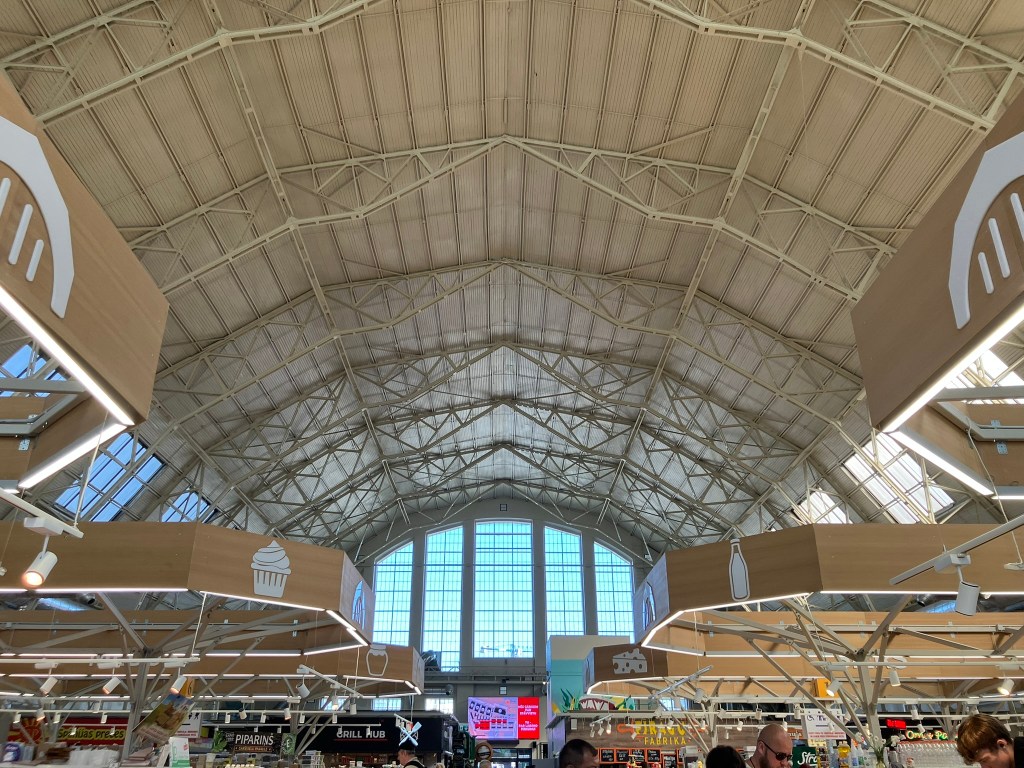
Start the day at the Central Market (photo). The buildings are a very early example of the reuse of building structures, as their framework comes from a former airship hangar on the south-western border of Latvia. The fish market feels very Russian and is a unique little “world” of its own – you should see it and smell it. One of the most important streets in Riga is Alberta Iela, where you can see a large number of Art Nouveau buildings next to each other. The city is particularly well known for its Art Nouveau heritage. The most important building from the post-Soviet era is the new National Library on the riverbank, designed by Gunnar Birkerts. If you would like to see some good exhibitions, go to the Zuzeum Art Centre. It is also worth walking around the Āgenskalns district, where the many wooden houses give this part of Riga a very authentic character. For the city walk, use the map.
03.08.2025 – Riga (LT)
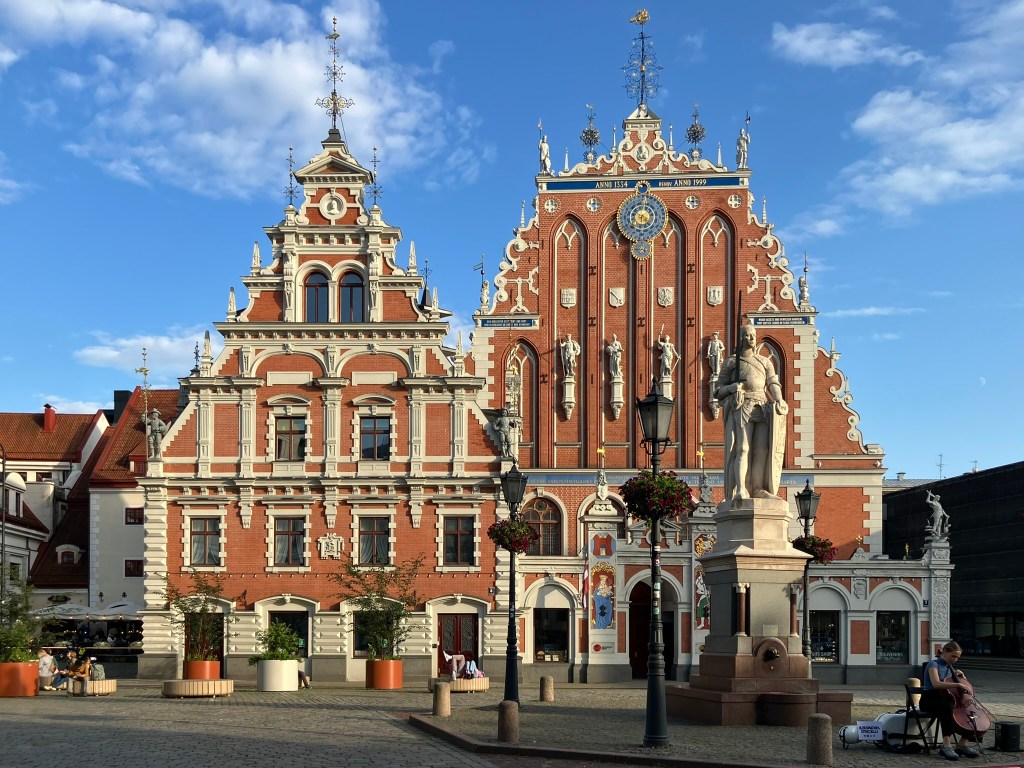
In the morning, you can walk through the old town and, around noon, rent a bike and ride north of the city: to the Andrejosta area and Mežapark with Lake Ķīšezers. Here you can find nice villas, restaurants and bars by the lake. It seemed to be the number-one recreational area for the people of Riga.
04.08.2025 – Leaving Riga (LT)
It is time to leave.
And here is the map:
